Residential Golf Course Architects, Part VII
By The Editors of
GolfCourseHome
Pete Dye:
Lifelong Innovator (Part-Time Intimidator)
Welcome
to the seventh installment in an ongoing series of
articles
on golf course designers and the style and value
they bring to a golf
community. Past installments
have focused on Jack Nicklaus,
Tom Fazio, Arnold Palmer, Arthur Hills, Robert Trent
Jones II, Bob
Cupp and Tom Jackson.
Forget
railroad ties, island greens and “Dye-abolical” course
layouts that all the “experts” cite in summing up Pete Dye’s
mark on golf course design. Dye’s career makes sense only
if you understand that in the late 1960s and ‘70s he re-introduced
the strategic subtleties of British links golf into
American golf
course design, and in doing so, changed American golf forever.
Now in his 80's and still designing, Dye
grew up playing a nine-
hole course on his family’s farm in Urbana, Ohio. He won the
Ohio State High School Championship and continued to compete
in amateur events for decades.
The architect’s life and career changed in
1963, when he took his
first trip to Scotland. That visit freed Pete Dye to bring a
sense of
mystery and natural, free-form randomness to the fairways and
greens he would build.
Dye had none other than Jack Nicklaus along
as a rookie assistant
designer when he built the world-famous Harbour Town Golf Links
within
Sea Pines Plantation. Site of an annual PGA Tour event, the
Harbour Town course was Dye’s first visible statement of how
British
linksland design elements would influence him from that point on.
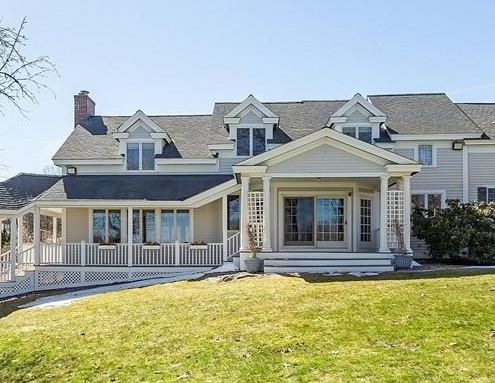
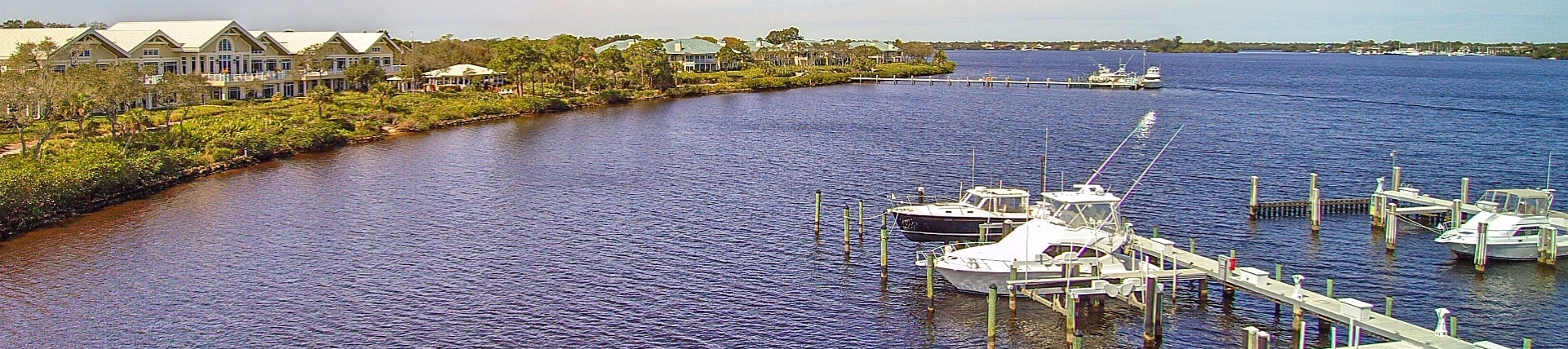
GEORGIA: Marina Cottages at The Ford Plantation
Almost every type of terrain has golf potential, in
Dye’s view, but
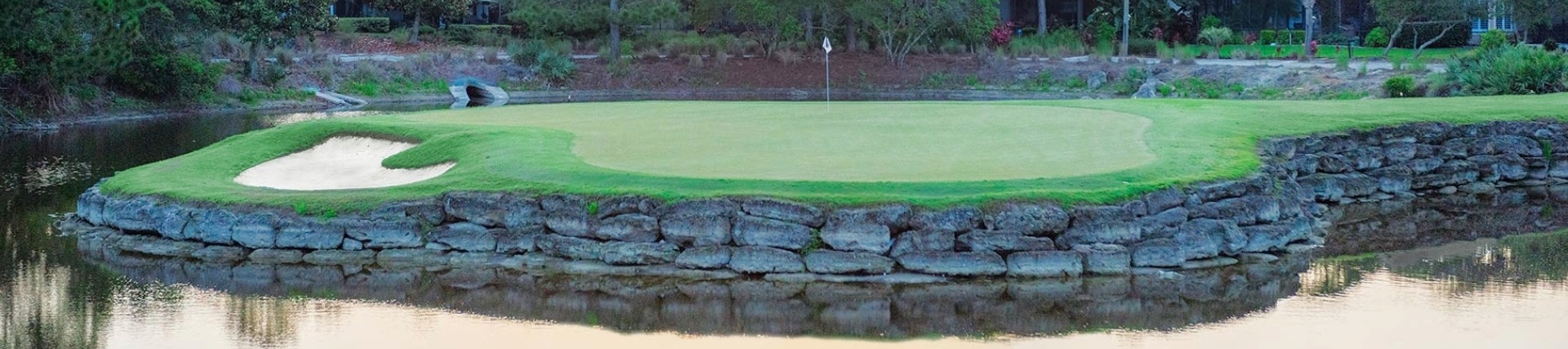
he is particularly fond of Carolina Lowcountry marsh.
Colleton River Plantation,
where a bold and fast-running Dye layout complements a Nicklaus-designed
course, is an excellent example of the “ground movement” Dye creates.
One Pete Dye golf course that the game’s top
players have always
felt confident on is the River Course at
Kingsmill on the James, in
historic Williamsburg, VA. With Michelob as a title sponsor, both
the PGA Tour and the LPGA Tour have staged exciting tournaments
on Dye’s smooth fairways and carefully perched greens.
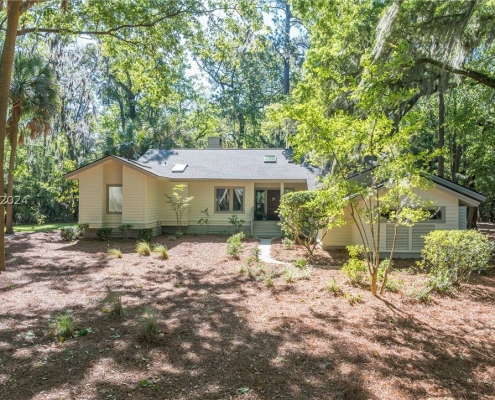
SOUTH CAROLINA: Hampton Hall
Despite the long association between Dye’s
designs and tour-level
competition, Pete is just as pleased and challenged to design a
purely recreational course. His 18-hole, championship golf
course at
Hampton Hall is a case study in hole variety, switching
its requirements from power to positioning and back again.
Dye is known for staying on site over long
stretches and even
operating the shaping machinery himself. By being so hands-on,
he was able to master an eco-friendly approach that controlled
water use and made it possible to work in sensitive environments.
The courses he built at
Amelia Island Plantation in the 1970s
with Bobby Weed are prominent early examples.
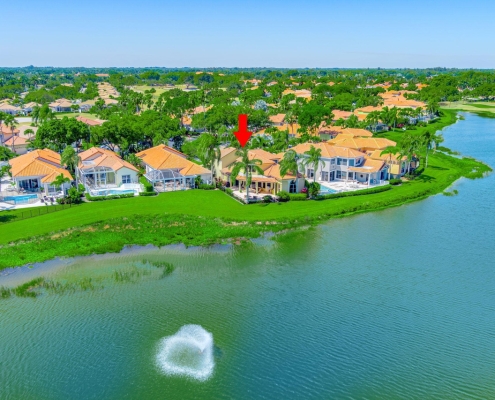
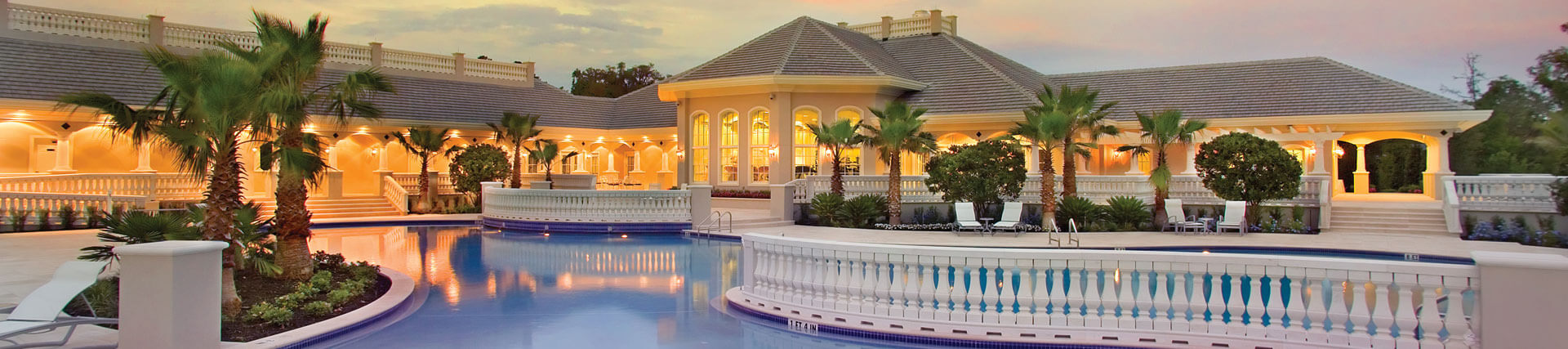
FLORIDA: Harbour Ridge Yacht & Country Club
It is particularly tempting to course developers
who are building
large, multi-course properties to include the work of Pete Dye
in the golf amenity.
Barefoot Resort & Golf, a landmark community
on the Myrtle Beach Grand Strand, features a star-studded
design
marquee that includes Greg Norman, Davis Love III, Tom Fazio
and a 7.343-yard Dye Course. It’s a visually captivating layout
whose
so-called safe areas are sometimes more tricky to play from than the
hazards one is trying to avoid.
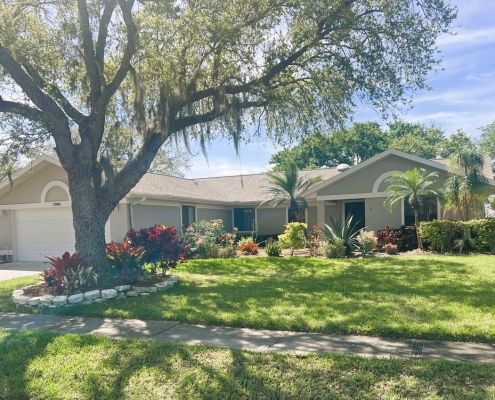
FLORIDA: Ranch Colony
Likewise, the Dye reputation for presenting a
stiff challenge naturally
leads a community like
PGA Village to include one of Pete’s
courses in its 54-hole golf complex. Known for providing one of
America’s leading resort-style golf academies—the famed PGA
Learning Center—this community turns its ever-improving golfers
loose on two Tom Fazio 18s and one by Dye.
Back to Top
|